
To wonder is to suspend certainty — to step out of habitual thinking and let yourself dwell in questions, mystery, and possibility.
The art of wondering and imagination is the deep human ability (and not AI’s ability!) — and cultivated practice — of engaging the world with curiosity, openness, and creative vision. It’s what fuels discovery and understanding, dand breathes life into storytelling, giving meaning to realities, thus progress, innovation
Wonder is not ignorance—it’s awakened attention. It’s how children learn. It’s how Einstein imagined relativity.
How to wonder and imagine?
Some typical things a Jester does for more amazement and imagination:
- Ask more “what if” and “why” questions—without seeking immediate answers.
- Daydream with purpose: let your mind wander and build things in your imagination.
- Read books, various kinds of books.
- Spend time in nature or solitude—environments that naturally inspire your wondering and amazement.
- Write, sketch, or build freely without a goal—create for the joy of it.
It’s not the answers that give meaning. It’s the questions!
The connecting between these dots is that is is not about the answer. It’s about the question! We do not seek for direct answers. Answers will follow.
Imagination is a solution tool
Imagination is the mind’s ability to create images, concepts, and experiences that don’t yet exist—or can’t be seen directly. It’s not just fantasy; it’s a tool for:
- Empathizing with others’ perspectives and realities
- Creating solutions for difficulties and challenges
- Building inventions and theories
- Envisioning new ways to collaborate or behave
“Imagination is more important than knowledge.” — Albert Einstein
Because knowledge is about what is; imagination is about what could be.
“The gift of fantasy has meant more to me than my talent for absorbing positive knowledge“
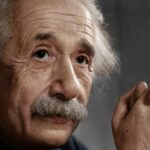
Albert Einstein
Theoretical physicist, philosopher, wonderer